
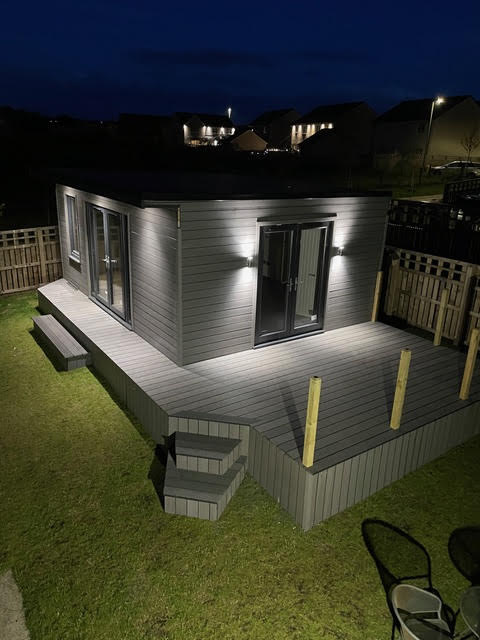
Mistakes To Avoid When Building A Garden Room
A garden room can be a fantastic addition to your home, offering extra space for work, relaxation, or hobbies without the disruption of a full extension. However, many homeowners make avoidable mistakes during the planning and building process that can lead to unnecessary costs, delays, or disappointment.
If you’re considering building a garden room, here are some of the most common mistakes to avoid.
Overlooking The Main Uses
A common mistake is not clearly defining the main purpose of your garden room. Although garden rooms are often designed for multiple uses, planning for multi-use should be approached just as carefully as a single-use space.
A peaceful retreat, home office, gym, guest room, or creative studio all have different requirements. Considerations such as power, lighting, heating, layout and storage are essential decisions. Without a clear purpose, you risk ending up with a space that doesn’t fully meet your needs and requires costly modifications later.
Discussing your exact requirements with your chosen garden room company at an early stage ensures the final design is bespoke and suited to your personal needs.
Ignoring Planning and Regulations

The vast majority of garden rooms fall under permitted development, although this isn’t always the case. Factors such as size, distance from boundaries, and intended use can all affect whether planning permission or building regulations apply.
Failing to check local authority rules can be costly. In some cases, it may result in having to alter the structure, or in the worst case scenario, remove it entirely. Always double check whether planning or other permissions are required before building.
Reputable garden room suppliers will have knowledge and experience of this process and are often the best first point of contact.
Overlooking The Importance of Foundations
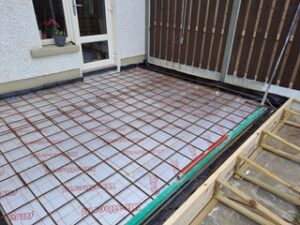
Every garden room requires a solid foundation to ensure stability and longevity. A proper foundation supports the weight of the structure and prevents movement and settlement, which can cause cracks, door and window misalignment, and structural damage.
Foundations are also vital for protecting against ground moisture, eliminating the risk of damp and rot. Additionally, a professionally designed foundation contributes to insulation and thermal performance.
Never underestimate the importance of a well-built foundation. Without it, even a well-constructed garden room may deteriorate quickly, leading to costly repairs and a reduced lifespan.
Underestimating Insulation and Heating

While appearance is important, insulation and heating are essential for year-round comfort. Poor insulation or inadequate heating can make the space unusable during colder months.
Investing in quality insulation, double glazing, and appropriate heating solutions ensures the room remains comfortable in all seasons. Planning insulation correctly from the outset is vital. A well-insulated garden room with suitable heating provides genuine all-year-round usability.
Forgetting About Electrics and Connectivity
Not planning electrical requirements properly is a common oversight. Think about power sockets, lighting, internet access, and any specialist needs such as audio-visual equipment or office equipment.
Retrofitting electrics after completion is more disruptive and typically more expensive than incorporating them during the build. Proper planning ensures safety, compliance, and functionality, making your garden room a practical extension of your home.
Choosing Price Over Quality

Budget is important, but choosing cost over quality when hiring a contractor can lead to significant long-term expense. A lower initial price may result in compromised workmanship, inferior materials, and potential safety issues.
Cutting corners during construction often leads to costly repairs or renovations later, cancelling out any short-term savings. Investing in a reputable, experienced contractor ensures quality, durability, and satisfaction.
Importantly, a well-built, high-quality garden room is likely to add value to your home.
